Diabetic retinopathy is an eye disease that can happen to people who have diabetes. Diabetes is a condition where the body has trouble controlling the amount of sugar in the blood. When there is too much sugar in the blood for too long, it can start to damage tiny blood vessels all over the body – including the ones inside the eyes. The part of the eye that gets hurt is called the retina, which is like a screen in the back of your eye that helps you see pictures of the world around you.
There are two main stages of diabetic retinopathy. The first stage is called “early” or “non-proliferative” retinopathy. During this stage, the tiny blood vessels in the retina get weak and may start to leak a little fluid or blood. The second stage is called “proliferative” retinopathy, and it is more serious. In this stage, new but very fragile blood vessels start to grow in the wrong places inside the eye. These new vessels can bleed and cause serious vision problems.
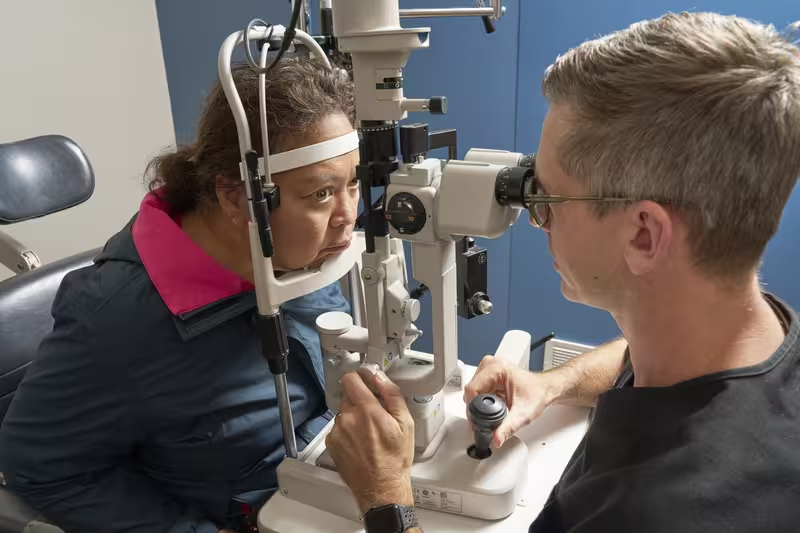
People with diabetic retinopathy might not notice anything wrong at first, because the early stages often don’t cause pain or obvious vision symptoms. As it gets worse, though, they might start to see floating spots or dark strings drifting across their vision. Things might start to look blurry, colors might seem faded, or there might be dark or empty areas in their vision. Because the early stages are so hard to notice, it is really important for people with diabetes to get their eyes checked by an eye doctor every year.
The biggest risk factor for diabetic retinopathy is having diabetes that is not well controlled. The longer someone has diabetes and the higher their blood sugar stays, the greater the chance of developing this eye disease. High blood pressure and high cholesterol can also make things worse. The good news is that keeping blood sugar levels in a healthy range, eating well, exercising, and taking diabetes medicines as directed can greatly lower the risk of getting this disease or slow it down.
Doctors have several ways to treat diabetic retinopathy to help protect a person’s vision. Special shots given in the eye can stop leaky blood vessels from causing blurry vision. These shots also stop those harmful new blood vessels from growing. Some patients need laser therapy to burn the retina so that blood vessels do not continue to grow. In more serious cases, a surgery called a vitrectomy may be needed to remove blood or scar tissue from inside the eye.
All eye providers at Ophthalmology Associates, S.C. see diabetic patients. We communicate with your primary care provider/endocrinologist to ensure everyone on your care team is aware of your diabetic retinopathy status. The most important thing is to catch the disease early and keep diabetes under control to better protect your vision.
Drs. Aldred, McCanna and Rojas perform intravitreal injections at Ophthalmology Associates, S.C. for diabetic retinopathy. Getting injections into the eye sounds extreme, but we do a great job of numbing the eye to minimize patient discomfort. These injections are generally tolerated very well by patients.